How Athens weather affects your sewer line and what to do
Athens weather swings from soaked springs to hard freezes, and both stress your sewer line. Here's how rain, clay soil, and freeze-thaw cycles cause backups, and what to do.
Athens weather affects your sewer line in two main ways: heavy rain overwhelms aging clay and cast iron pipes and pushes groundwater into cracked joints, while winter freeze-thaw cycles crack pipes and shift the soil around them. Both problems show up as backups, slow drains, or soggy patches in the yard - and both are fixable if you catch them early.
We run Sewer Line Repair Athens GA calls all year, and the pattern is predictable: a wet week in March floods the system, a hard freeze in January splits a joint, and by June the tree roots have found the crack. Here's what's actually happening underground, what you can do about it, and when it's time to call us.
How Athens weather affects your sewer line, in one answer
How Athens weather affects your sewer line and what to do is really a question about three forces working on the same pipe: water volume, soil movement, and temperature. Athens sits on dense red clay that expands when it's soaked and shrinks when it dries. That clay is what your sewer lateral is buried in, and it moves more than most homeowners realize.
When we get three inches of rain in 24 hours - which happens several times a year here - the ground around your lateral saturates. Water finds every crack, every loose joint, every spot where a root has pushed through. The pipe fills from the outside as well as the inside. That's when a line that was draining fine last week starts gurgling.
Then winter arrives. Athens averages about 50 nights below freezing between November and March, and the ground here doesn't freeze deep - usually the top 4 to 8 inches. But that shallow freeze is enough to crack a shallow lateral, especially if it's clay or Orangeburg pipe from the 1950s or 60s.
We see the same neighborhoods every year: older homes in Sewer Line Repair in Five Points with original clay laterals, and newer builds on the Eastside where the soil was disturbed during construction and never fully settled.
Why does my sewer back up when it rains in Athens GA?
Your sewer backs up when it rains in Athens because stormwater enters the sanitary sewer system faster than it can drain. That happens in two places: on the city side, where aging mains and inflow from cracked pipes overwhelm the system, and on your side, where a damaged lateral lets groundwater pour in.
Athens-Clarke County has combined storm and sanitary lines in some older parts of town, particularly near downtown and the university corridor. When we get a heavy rain event - the kind that drops 2 to 4 inches in a few hours - those combined lines hit capacity. The water has to go somewhere, and the lowest point is usually a basement floor drain or a ground-floor shower.
If your backup happens only during heavy rain and clears within an hour or two, the problem is likely on the city side. If it backs up every time it rains, even lightly, the problem is probably in your lateral.
Here's what we check first:
- Is the backup tied to rain? If yes, groundwater intrusion is likely.
- Do neighbors have the same problem? If yes, it's a main line issue - call the county.
- Is there a cleanout in the yard? If water is standing there after rain, the blockage is downstream.
- Does the backup smell like sewage or like dirt? Sewage means the sanitary line; dirt means stormwater is getting in.
We run a camera down the line to see exactly where the water is coming from. That's the only way to know whether you're looking at a Sewer Backup Repair Athens GA job or a call to the county utilities department.
Freeze-thaw cycles: the winter problem most homeowners miss
Cold weather damages sewer lines in Athens through freeze-thaw cycles, not through deep frost. The ground here rarely freezes more than 8 inches down, but it freezes and thaws dozens of times each winter - and each cycle puts stress on the pipe.
Water in a hairline crack freezes, expands by about 9 percent, and pushes the crack wider. Then it thaws, water seeps deeper, and the next freeze pushes it wider still. By February, a pinhole leak from October is a quarter-inch split.
Older pipes are the most vulnerable. Clay tile laterals - common in Athens homes built before 1975 - crack easily when the soil around them heaves. Cast iron from the same era rusts from the inside, and a hard freeze can finish off a joint that was already weak.
PVC and ABS pipe handle freeze-thaw much better, but they're not immune. If the pipe was installed shallow - less than 12 inches deep, which we see on some DIY repairs and older additions - it can crack.
Signs your line froze or cracked over the winter:
- Slow drains in multiple fixtures at once, starting in January or February
- A sewage smell in the yard or crawlspace that wasn't there in the fall
- Soft, wet ground along the lateral path even when it hasn't rained
- Gurgling sounds from toilets or tubs when you run the washing machine
If you notice any of these, don't wait for spring. A crack that's letting groundwater in during the winter will let roots in by April.
Athens clay soil and the way it moves with the weather
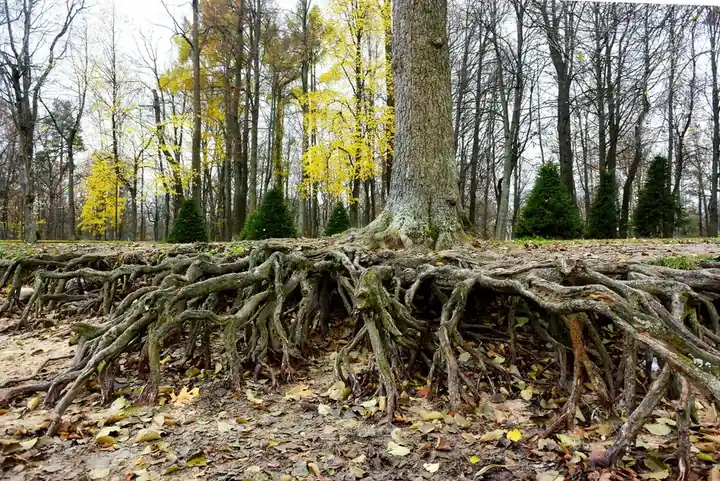
Athens sits on Piedmont red clay, and that clay is the single biggest reason sewer lines here fail the way they do. Clay expands when wet and shrinks when dry - sometimes by 10 percent or more in volume. Your lateral is buried in it, and it moves with every wet and dry cycle.
That movement causes three specific problems:
- Joint separation. Clay pipe joints are just mortared together. When the soil shifts, the joints open. Once they open, roots and groundwater get in.
- Pipe offset. The pipe sections shift out of alignment, creating a lip that catches waste and toilet paper. This is one of the most common causes of repeat clogs we see.
- Bellies. The soil under a section of pipe settles or washes out, and the pipe sags. Waste sits in the low spot instead of flowing.
We handle all three, but the fix depends on what the camera shows. A separated joint might need a Sewer Line Joint Repair Athens GA. An offset or belly usually means replacing that section of pipe. If the whole lateral is clay and 50 years old, replacement is often cheaper long-term than patching it every 18 months.
Summer heat, roots, and slow drains
Summer in Athens is dry, hot, and hard on sewer lines - but not for the reason most people think. The heat itself doesn't damage the pipe. What it does is dry out the clay soil, which shrinks and pulls away from the pipe, creating gaps. Then tree roots, hunting for water, find those gaps and go in.
We pull root balls out of laterals every summer, and the pattern is always the same. A homeowner notices the kitchen sink draining slowly in June, plunges it, and it clears for a week. By August, the whole house is backing up.
The roots didn't grow overnight. They entered through a joint that opened during the previous winter's freeze-thaw and grew all spring. By summer, they've filled the pipe.
If you have mature trees within 10 feet of your lateral - oaks, maples, and pines are the worst offenders here - you should have the line scoped every 18 to 24 months. A Sewer Line Root Removal Athens GA job is far cheaper than a replacement, but only if we catch the roots before they crack the pipe.
What to watch out for after a big storm
After a storm, the first 48 hours tell you whether your sewer line survived. Here's what we tell homeowners to check:
- Run every fixture for two minutes. Fill the tub, run the washing machine, flush every toilet. If any drain is slower than it was last week, something changed.
- Look at the yard. A soggy patch, a greener strip of grass, or a sunken spot along the lateral path means water is escaping from the pipe.
- Smell the basement or crawlspace. A sewage odor after a storm means groundwater is pushing into the line.
- Check the cleanout. If the cleanout cap is popped off or water is standing in it, the line is blocked or surcharged.
If you see any of these, call us before the next rain. A storm-damaged lateral gets worse with every wet cycle, and the repair cost climbs with it.
Common mistakes we see after weather events
The biggest mistake is assuming a backup will clear on its own. It usually doesn't. Here's what we see most often:
- Pouring chemical drain cleaner down a backed-up line. It won't touch a root intrusion or a collapsed pipe, and it can damage PVC if you use it repeatedly.
- Plunging a main line. A plunger is for a toilet trap, not a sewer lateral. You can push waste past a blockage and make it worse.
- Waiting for the ground to dry out. If the pipe is cracked, dry ground just means the crack is now pulling in soil instead of water. That's how sinkholes form.
- Hiring the cheapest quote without a camera inspection. Nobody can price a sewer repair without seeing the inside of the pipe. If a contractor quotes you over the phone, walk away.
- Ignoring a slow drain after a storm. Slow is the early warning. Backup is the emergency.
We see this every spring in older neighborhoods - homeowners in Sewer Line Repair in Normaltown dealing with 80-year-old clay laterals that finally gave out after a wet March. A camera inspection in February would have caught it.
When to call a professional
Call a professional when a backup happens more than once, when multiple fixtures drain slowly at the same time, or when you see or smell sewage in the yard. Those three signs mean the problem is in the lateral, not in a single fixture.
We run a camera down the line, show you what we find, and give you a flat price before we start. No guesswork, no surprise charges. If the line just needs cleaning, we clean it. If it needs repair or replacement, we tell you why and what it costs.
If you're not sure whether you have a problem, call us anyway. A Sewer Camera Inspection Athens GA takes about 45 minutes and costs far less than waiting for a backup at 11 p.m. on a Sunday.
Sewer line maintenance for Athens weather GA
Sewer line maintenance for Athens weather GA comes down to timing. The best time to inspect your lateral is late fall, before the first freeze, and again in early spring, after the last heavy rain. Those two inspections catch almost every weather-related problem before it becomes a backup.
Here's the maintenance schedule we recommend for Athens homeowners:
- October: Camera inspection before winter. Catch cracks and root starts while the ground is still workable.
- March: Post-winter check. Look for new cracks, offsets, and groundwater intrusion after freeze-thaw season.
- June: Root check if you have mature trees within 10 feet of the lateral.
- Every 18 to 24 months: Full camera inspection, even if nothing seems wrong.
We also recommend a Sewer Line Cleaning Athens GA every 12 to 18 months if your home is older than 40 years or you've had a root issue before. It's cheap insurance against a $6,000 to $12,000 replacement.
Typical 2026 pricing in Athens for the maintenance items above: camera inspection runs $150 to $350, drain cleaning $150 to $400, and hydro jetting $350 to $700 depending on line length and buildup. A full lateral replacement with excavation runs $4,500 to $12,000, and trenchless replacement $6,000 to $15,000.
Frequently Asked Questions
How does Athens weather affect my sewer line?
Heavy rain saturates the clay soil and pushes groundwater into cracked joints, while winter freeze-thaw cycles crack pipes and shift the soil around them. Both cause backups, slow drains, and yard sinkholes. The damage compounds over multiple seasons if you don't address it.
Why does my sewer back up when it rains in Athens GA?
Stormwater enters the sanitary sewer faster than it can drain, usually through cracked laterals or combined storm-sanitary mains in older parts of town. If backups happen only during heavy rain, the issue is often on the city side. If they happen every rain, it's your lateral.
Can cold weather damage sewer lines in Athens?
Yes. Athens averages about 50 nights below freezing each winter, and the top 4 to 8 inches of soil freeze and thaw repeatedly. That cycle widens hairline cracks in clay and cast iron pipe. PVC handles it better but can still crack if installed shallow.
What should I do if my sewer line freezes in Athens GA?
Stop using water immediately and call us. Don't pour hot water down the drain - it can crack a frozen pipe. We thaw the line with professional equipment and inspect for cracks caused by the freeze. Most frozen lines thaw within 1 to 3 hours.
How can I protect my sewer line from weather in Athens?
Get a camera inspection every 18 to 24 months, clean the line every 12 to 18 months if it's older than 40 years, and keep mature trees at least 10 feet from the lateral. Fix small cracks before the next freeze-thaw cycle turns them into full breaks.
Get help with Sewer Line Repair in Athens
If Athens weather has your sewer line backing up, draining slow, or leaving wet spots in the yard, we can find the problem and fix it. We run a camera, show you what we see, and give you a flat price before we start.
Call Athens Sewer Pros at (706) 123-4567 for same-day service across Athens and Clarke County.